
How Bed Bugs Spread
To eliminate bedbugs spreading through clothing, furniture, or travel, local bedbug fumigation service providers can effectively treat affected areas and prevent further infestations.
If you’re concerned about how bed bugs spread, you’ve come to the right place. Understanding the common ways these pests move from place to place can help property owners take practical steps to prevent infestations or address existing issues more effectively. Whether you own a home, manage an apartment complex, or oversee a business property, knowing how bed bugs travel can be a key part of maintaining a pest-free environment. Local contractors who specialize in bedbug fumigation are equipped to handle these concerns and can provide targeted solutions to keep your space protected.
Many factors can contribute to the spread of bed bugs, including travel, used furniture, or even visiting different properties. Recognizing these pathways helps property owners implement effective prevention strategies. When infestations occur, professional fumigation services offered by experienced local service providers can address the problem thoroughly. Keep reading to learn more about how bed bugs spread and how local contractors can assist in managing and preventing these unwelcome visitors.
- Bedbug Fumigation - needed when bed bugs have spread through an entire home or apartment, and local contractors use targeted treatments to eliminate infestations.
- Infestation Prevention - recommended if there is concern about how bed bugs spread via luggage, clothing, or furniture, with local pros providing inspection and treatment options.
- Multi-Unit Building Treatments - necessary when bed bugs move between units in apartments or hotels, with service providers coordinating comprehensive fumigation strategies.
- Clutter Removal and Preparation - advised before fumigation to reduce hiding spots and facilitate effective treatment, with local experts guiding proper cleanup procedures.
- Post-Treatment Inspection - essential after initial fumigation to ensure bed bugs do not spread again, with local contractors performing follow-up assessments.



When people search for how bed bugs spread, they are often trying to understand how these tiny pests move from one place to another. Bed bugs are notorious for their ability to hitchhike on belongings and travel across different environments. Many homeowners want to know how infestations start and what factors contribute to their rapid spread. This knowledge helps them identify potential sources of infestation and take preventive steps to protect their homes. Understanding the pathways of bed bug movement is essential for planning effective treatment strategies and avoiding reinfestation.
The topic of how bed bugs spread is closely related to concerns about controlling and preventing infestations. Homeowners facing a bed bug problem may be exploring how these pests arrived in their property and what they can do to stop them from spreading further. It also ties into larger plans for pest management, such as inspecting and treating multiple rooms or entire buildings. For those planning to move or renovate, understanding bed bug spread can influence decisions about cleaning, packing, and treatment procedures. Local service providers who specialize in bedbug fumigation can assist with targeted treatments and advice on preventing further spread.
Properties most commonly associated with bed bug spread include multi-unit dwellings like apartments, hotels, and dormitories. These environments facilitate the movement of bed bugs due to shared walls, furniture, and frequent guest turnover. Single-family homes are also at risk, especially if they are near infested properties or if residents travel often. Public spaces such as laundromats, transportation hubs, and furniture stores can serve as points of contact where bed bugs transfer onto personal belongings. Recognizing how these environments contribute to the spread emphasizes the importance of professional pest control services to address infestations comprehensively.
Understanding how bed bugs spread connects directly to real projects homeowners may undertake, such as thorough inspections, targeted fumigation, and preventive measures. Local contractors who specialize in bedbug treatments can evaluate properties, identify potential sources of infestation, and implement effective solutions. They help ensure that infestations are contained and eliminated, reducing the risk of future spread. By working with experienced service providers, homeowners can better manage their pest issues, protect their living spaces, and regain peace of mind from these persistent pests.
Pest inspection projects involve identifying and tracking pest movement, which is essential for understanding how bed bugs spread within environments. These services help pinpoint infested areas and prevent further infestation by local contractors.
Integrated pest management planning requires strategic planning and knowledge of pest behavior, making it relevant for professionals working to stop the spread of bed bugs and minimize infestations.
Home inspection services often include assessing for pest signs and entry points, which can reveal how bed bugs are spreading between rooms or units. Local inspectors help detect early signs of infestation.
Fumigation and treatment coordination projects involve planning and executing pest control measures, which are crucial for controlling how bed bugs spread once detected by local pest control providers.
Educational outreach campaigns focus on informing the public about pest spread and prevention methods, supporting local service providers in reducing bed bug movement through community awareness.
Property management consulting services include strategies for pest prevention and control, helping property owners understand how bed bugs can spread across multiple units or buildings, with guidance from local contractors.
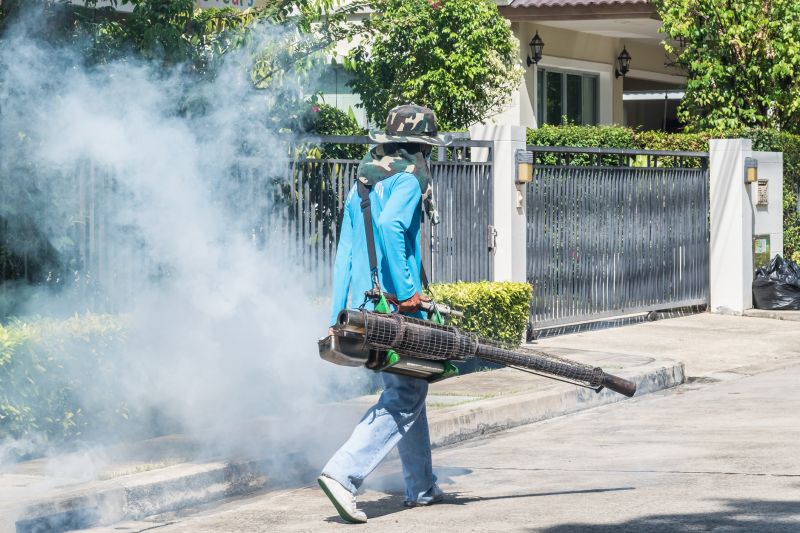
When comparing local contractors for bedbug fumigation services, it is important to consider their experience with similar projects. Homeowners should seek out service providers who have a proven track record of handling bedbug infestations effectively, especially in environments similar to their own. An experienced professional understands how bed bugs spread within different types of properties and can tailor treatment strategies accordingly, reducing the risk of ongoing or recurring issues.
Clear written expectations are essential when evaluating potential service providers. Homeowners should look for contractors who provide detailed explanations of the fumigation process, including preparation steps, scope of work, and post-treatment recommendations. This transparency helps ensure that both parties have aligned understanding of the work involved, minimizing misunderstandings and ensuring that the fumigation addresses how bed bugs spread throughout the space.
Reputable references and effective communication are key indicators of a dependable service provider. Homeowners should ask for references or reviews from previous clients to gauge the quality of work and customer satisfaction. Additionally, choosing a contractor who is responsive and able to answer questions clearly can make the process smoother. Good communication fosters trust and ensures that homeowners are well-informed about how bed bugs spread and how the fumigation will target those pathways, leading to a more successful treatment outcome.
Property owners often search for how bed bugs spread when they are planning practical projects around their homes and businesses. Local pros provide Bedbug Fumigation services for everyday jobs and straightforward project options.
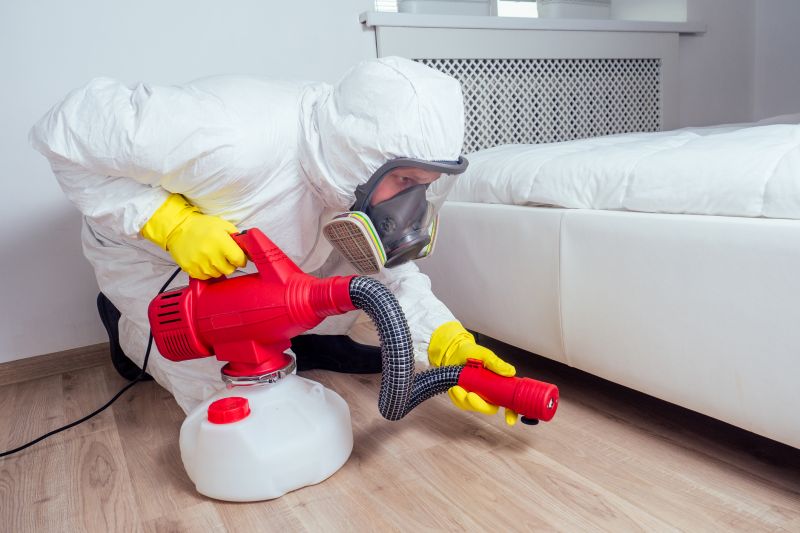

Understanding how bed bugs spread can help property owners recognize potential risks and prevent infestations. Bed bugs are notorious for hitchhiking on personal belongings such as luggage, clothing, or used furniture, making common activities like traveling or purchasing secondhand items potential avenues for their introduction. Additionally, shared spaces like apartment complexes, hotels, and dormitories can facilitate the movement of these pests between units, especially if proper sanitation and inspection protocols are not followed. Property owners in the area often seek guidance on how bed bugs travel to better protect their homes and identify early signs of an infestation.
When dealing with a suspected bed bug problem, enlisting the help of experienced local contractors can be a crucial step. These service providers are equipped to address infestations effectively and can offer advice on how bed bugs spread within a property or between neighboring units. They can also perform targeted fumigation treatments to eliminate pests and reduce the likelihood of recurring issues. For property owners concerned about how bed bugs spread or wanting to prevent future infestations, connecting with local pros ensures access to knowledgeable assistance tailored to the specific needs of the area.
How do bed bugs typically spread between locations? Bed bugs often spread through shared infested items like luggage, clothing, and furniture, or by crawling between adjacent units in multi-family buildings.
Can bed bugs spread via clothing or personal belongings? Yes, bed bugs can hitchhike on clothing, backpacks, or other personal belongings, transferring from one place to another.
Do bed bugs spread through open windows or doors? Bed bugs are not typically spread through open windows or doors; they usually transfer via contact with infested items or surfaces.
How do bed bugs move from one room to another within a building? Bed bugs can crawl through wall voids, electrical outlets, and along baseboards, allowing them to move between rooms without direct contact.
What role do furniture and secondhand items play in spreading bed bugs? Infested furniture and secondhand belongings are common sources of bed bug spread, as they can harbor eggs and adults that transfer to new locations.
Identifying common entry points - property owners can inspect and seal cracks or gaps around windows, doors, and baseboards to prevent bed bugs from entering new areas with help from local contractors.
Managing clutter and belongings - reducing clutter in bedrooms and living spaces can limit hiding spots, making treatment more effective with assistance from local pros.
Transporting items carefully - inspecting and properly handling luggage, clothing, and furniture before moving can stop bed bugs from spreading during relocations, with guidance from local service providers.
Monitoring high-traffic areas - focusing on common areas like laundry rooms and shared spaces helps property owners identify potential bed bug movement pathways, supported by local pest control experts.
If you are thinking about how bed bugs spread for a property, this guide is meant to help you understand this topic, the typical project types, and how different options might fit your plans.
When you are ready, you can use the quote form on this page to share a few details about your project. From there, local pros can review the basics and follow up with options that match what you have in mind.